The 1990s witnessed a dramatic shift away from the excess of the previous decade. Women’s fashion embraced clean lines, neutral palettes, and understated elegance that continues to influence contemporary style. Understanding this transformation reveals why minimalism remains a powerful fashion force.
Reacting Against 80s Excess
The elaborate shoulder pads, bold colors, and conspicuous consumption of the 1980s exhausted fashion consumers. Designers responded with deliberate restraint. Calvin Klein, Helmut Lang, and Jil Sander championed silhouettes that whispered rather than shouted.
This aesthetic resonated with changing social values. Professional women sought wardrobes that communicated competence without distraction. The minimalist approach offered sophistication through subtraction, proving that presence didn’t require loud statements.
The Essential Wardrobe Emerges
Slip dresses, simple knit tops, and perfectly cut trousers became wardrobe foundations. These pieces worked interchangeably, creating multiple looks from fewer items. The capsule wardrobe concept, though not named until later, found its roots in this practical approach.
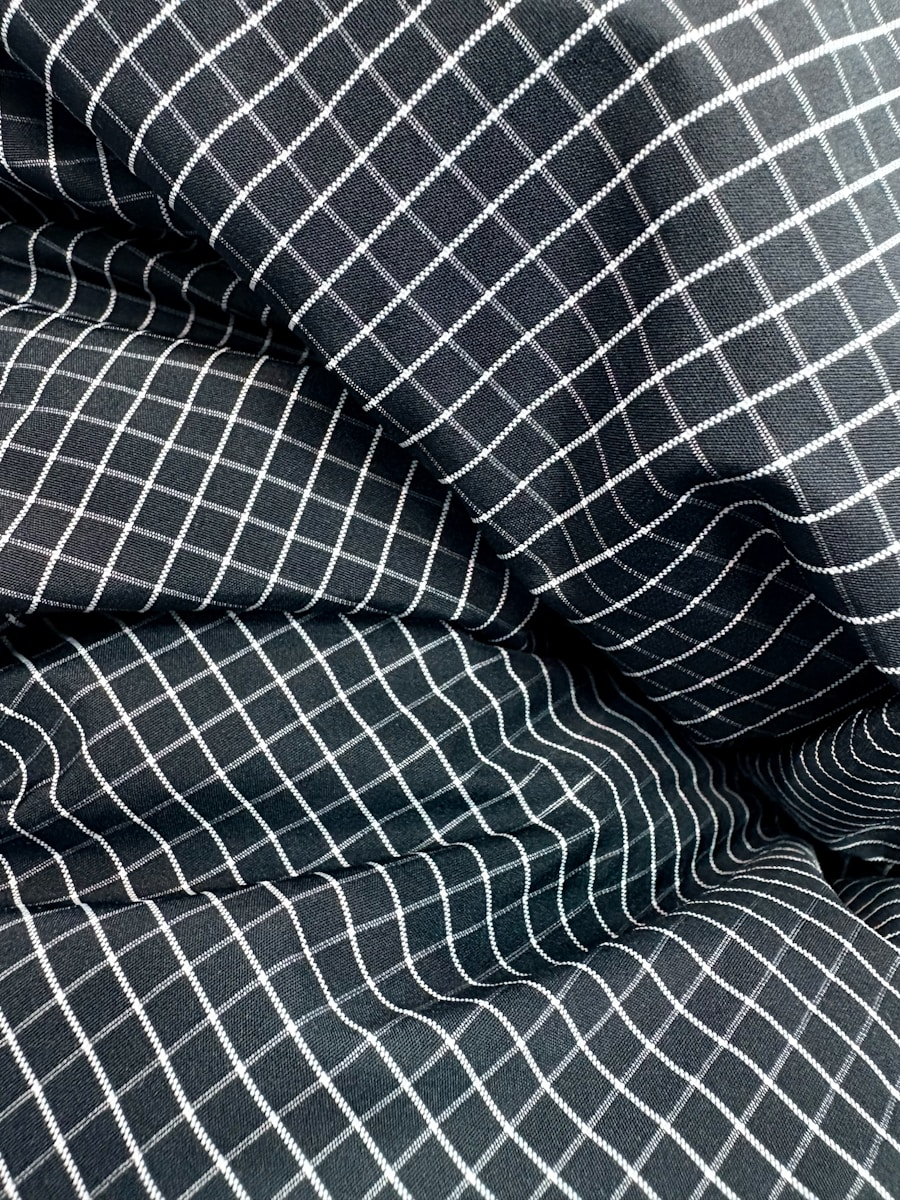
Materials gained importance as embellishment disappeared. Quality fabrics like cashmere, silk, and fine cotton replaced synthetic shine. Without pattern or decoration to distract, construction and fit became paramount.
Cultural Context and Influence
The grunge movement influenced minimalism from an unexpected angle. While seemingly opposite aesthetics, both rejected artifice and celebration of wealth. Kate Moss and other models of the era embodied an effortless, undone beauty that aligned with minimalist principles.
Japanese designers like Rei Kawakubo and Yohji Yamamoto contributed philosophical depth to Western minimalism. Their deconstructed approaches challenged conventional garment structures while maintaining aesthetic restraint.
The Modern Revival
Contemporary fashion regularly returns to 90s minimalism. Current designers reference the era’s clean aesthetic while updating proportions for today. The ongoing appeal suggests that minimalism addressed something fundamental about how women want to dress.
Investing in quality basics, prioritizing fit over trend, and building versatile wardrobes remain relevant strategies. The 90s demonstrated that fashion impact comes not from accumulation but from curation.
The decade’s minimalist legacy offers guidance for anyone seeking to develop personal style without succumbing to constant consumption.