
Tartan vs Plaid: Why These Terms Aren’t Interchangeable
Americans casually call any crisscross pattern “plaid,” but textile historians and Scottish traditionalists cringe at this linguistic laziness. The distinction between tartan and plaid isn’t pedantic. It’s cultural, technical, and historically significant in ways that matter beyond semantics.
Tartan: The Woven Language of Clans
Tartan is a specific woven design where colored threads intersect at right angles, creating distinctive patterns that identify Scottish clans, families, and regions. Each tartan has a precise “sett,” the repeating sequence of thread colors and counts that must be replicated exactly. The Scottish Register of Tartans officially documents thousands of patterns, each with specific histories and usage rights that clans take seriously.
The weaving technique matters critically. Authentic tartan is woven, not printed, with the pattern emerging from the actual structure of interlaced threads. This means the design appears identical on both sides of the fabric, a key authenticity marker. The thread count and color sequence in tartans carry meaning, with some patterns restricted to clan members or special occasions.
Plaid: The Garment, Not the Pattern
Here’s where confusion multiplies: in Scotland, “plaid” originally referred to a garment, specifically, the large cloth worn over the shoulder as part of traditional Highland dress. The modern kilt evolved from the “féileadh mór” (great wrap), which consisted of pleated tartan fabric worn as a whole body garment.
When Scottish immigrants brought their textiles to North America, “plaid” somehow transferred from the garment to the pattern itself. This linguistic shift frustrates purists who insist that “plaid” should describe the clothing item, not the crisscross design.
Why Americans Say Plaid
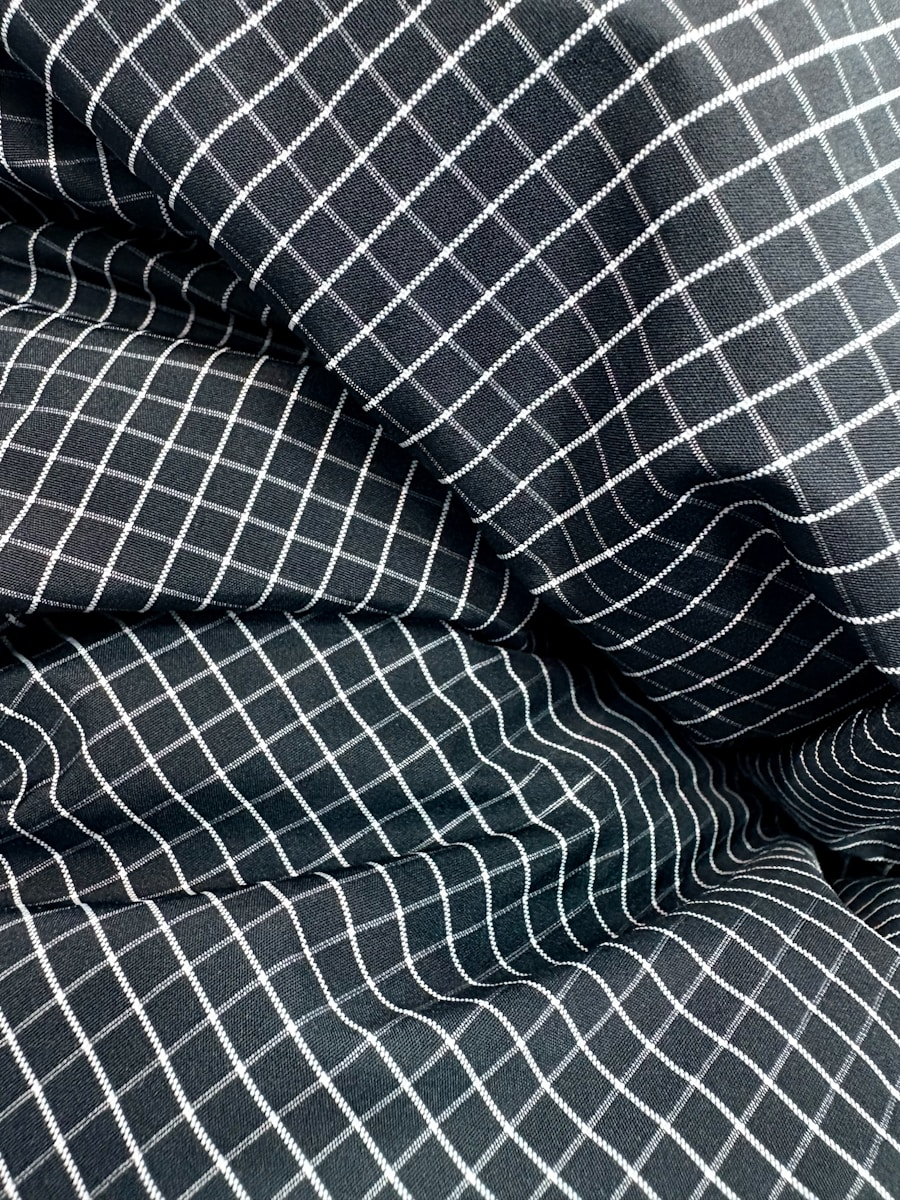
In contemporary American usage, “plaid” has become a catch all term for any checked or crisscross pattern, whether it’s authentic Scottish tartan, buffalo check flannel, or generic printed fabric. This broader definition includes patterns with no cultural significance or regulated structure, just intersecting lines creating boxes.
Fashion brands contribute to this confusion by labeling everything from punk rock trousers to preppy school uniforms as “plaid,” regardless of authentic tartan connections. The word has essentially split into two meanings: the historically specific Scottish garment and the generalized American descriptor for checked patterns.
When Precision Matters
For casual fashion purposes, the distinction rarely matters. But when dealing with Scottish heritage, clan gatherings, or traditional Highland dress, using correct terminology shows cultural respect. If you’re wearing Black Watch or Royal Stewart tartan, call it tartan. If it’s just red and black flannel from a camping store, plaid works fine.
The key takeaway: all tartans can be called plaid in American English, but not all plaids qualify as tartans. One is heritage with rules. The other is aesthetic freedom. Know which you’re wearing.