Scandinavian design has captivated homeowners and designers for decades. Its enduring appeal lies in a philosophy that prioritizes function, simplicity, and connection to nature. Understanding why this aesthetic remains relevant helps explain its continued dominance in contemporary interiors.
The Core Principles Behind the Movement
At its heart, Scandinavian design emerged from the harsh Nordic climate and democratic social values of countries like Denmark, Sweden, and Norway. Designers sought to create beautiful, functional objects accessible to everyone, not just the wealthy. This egalitarian approach produced furniture and spaces that felt both refined and approachable.
The emphasis on natural light addresses the long, dark winters of the region. Large windows, white walls, and reflective surfaces maximize whatever light enters a space. This practical solution became an aesthetic hallmark that translates beautifully to homes worldwide.
Materials That Tell a Story
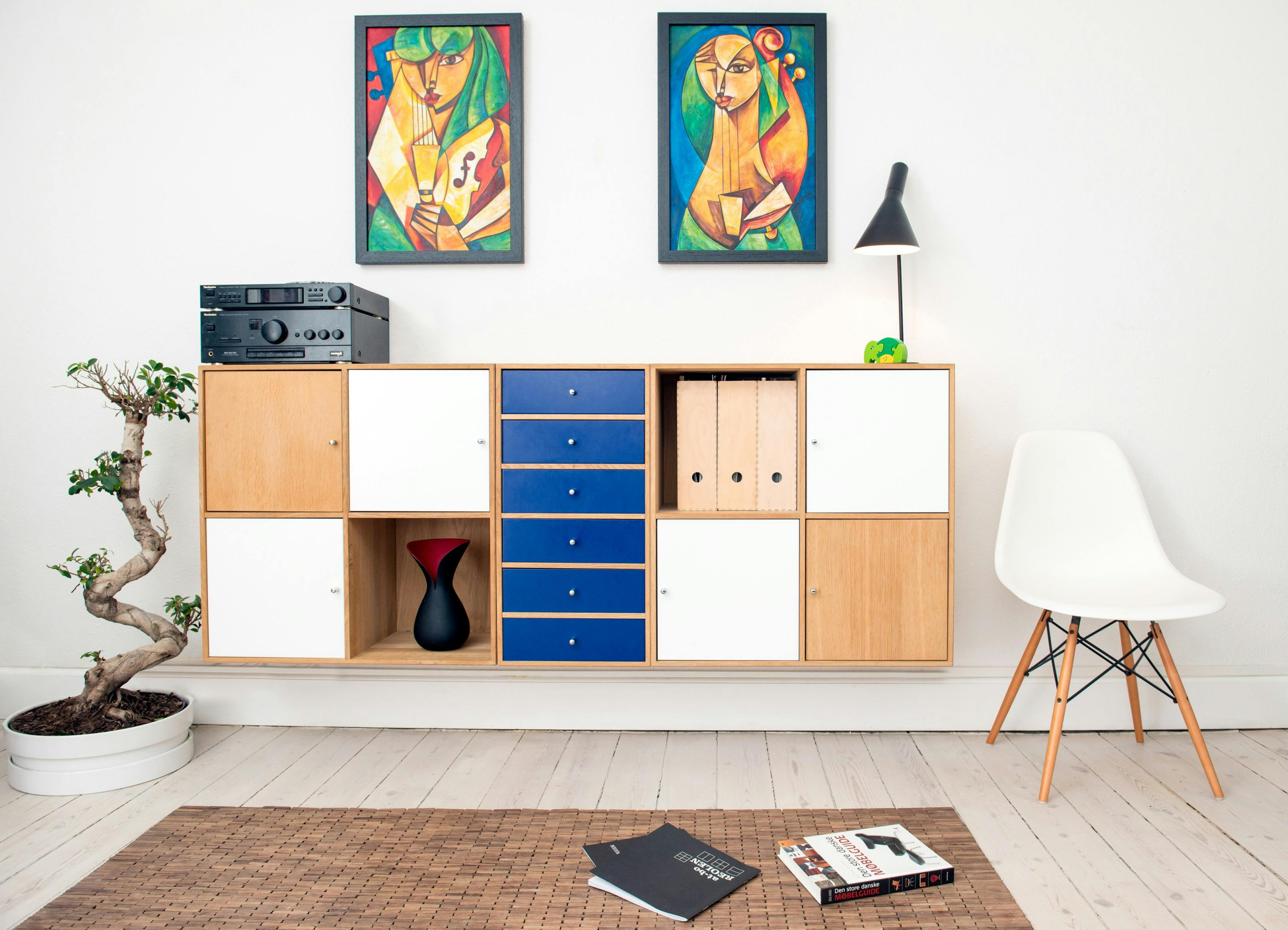
Natural materials define the Scandinavian palette. Light woods like oak, ash, and birch bring warmth without heaviness. Wool, linen, and leather add texture while maintaining the clean aesthetic. These materials age gracefully, developing character over time rather than appearing worn.
The quality of craftsmanship matters deeply in this tradition. Pieces from designers like Hans Wegner and Alvar Aalto remain functional after decades of use. This durability challenges the disposable nature of contemporary furniture, offering an antidote to fast design.
Why It Works in Modern Spaces
Scandinavian design adapts effortlessly to contemporary living. Its neutral foundation allows personal expression through art, plants, and meaningful objects. The minimalist framework prevents visual overwhelm in smaller urban apartments while creating serenity in larger homes.
The style pairs naturally with sustainable living values. Its emphasis on quality over quantity, natural materials, and timeless rather than trendy pieces aligns with growing environmental consciousness. Choosing one well-made chair over several disposable options reflects both aesthetic and ethical considerations.
Bringing the Look Home
Incorporating Scandinavian principles doesn’t require a complete renovation. Start with decluttering to embrace the less-is-more philosophy. Add warmth through textiles like sheepskin throws and woven rugs. Introduce plants for organic shapes and connection to nature.
Lighting deserves special attention. Layer ambient, task, and accent lighting to create the hygge atmosphere central to Nordic living. Candles remain essential, especially during evening hours.
The timelessness of Scandinavian design stems from its foundation in human needs rather than passing trends. By prioritizing comfort, function, and natural beauty, it created an aesthetic that feels perpetually fresh while remaining deeply comfortable.